
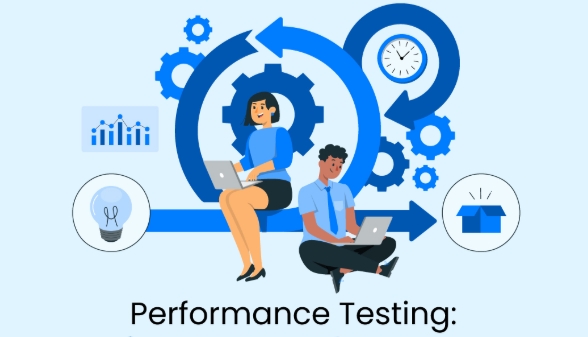
Performance testing is a type of software testing used to determine how well an application performs under expected and peak workloads. The primary objective is to identify performance bottlenecks, measure system responsiveness, and ensure that the application can handle user demands efficiently.
In today's digital environment, users expect websites and applications to load quickly and function smoothly. Poor performance can lead to user dissatisfaction, reduced productivity, and lost business opportunities. Performance testing helps organizations identify and resolve issues before software is released to end users.
One of the key aspects of performance testing is measuring application speed. Testers evaluate how quickly pages load, transactions are processed, and responses are delivered to users. Fast response times contribute to a positive user experience and improved customer satisfaction.
Load testing is one of the most common forms of performance testing. It assesses how an application behaves under normal and anticipated user traffic. By simulating multiple users accessing the system simultaneously, testers can determine whether the application performs efficiently under expected conditions.
Stress testing goes beyond normal usage levels to evaluate how the system behaves under extreme workloads. This type of testing helps identify breaking points and ensures the application can recover gracefully from high-demand situations.
Scalability testing focuses on an application's ability to handle increasing workloads as the number of users, transactions, or data volume grows. It helps organizations understand whether their infrastructure can support future growth.
Endurance testing, also known as soak testing, measures system performance over an extended period. It helps identify issues such as memory leaks, resource exhaustion, and performance degradation that may occur during prolonged usage.
Performance testing also evaluates server performance, database efficiency, network response times, and resource utilization. Monitoring CPU usage, memory consumption, and disk activity helps identify areas that require optimization.
Various performance testing tools are available to support testing activities. Popular tools such as Apache JMeter, LoadRunner, Gatling, and NeoLoad help simulate user traffic and generate detailed performance reports for analysis.
Conducting performance testing early in the development lifecycle can significantly reduce costs and improve software quality. Identifying performance issues before deployment allows development teams to make necessary improvements and avoid costly post-release fixes.
Performance testing is especially important for e-commerce websites, banking systems, enterprise applications, streaming platforms, and other systems that handle large numbers of users and transactions.
In conclusion, performance testing is essential for delivering reliable, scalable, and high-performing software applications. By evaluating system behavior under various workloads, organizations can ensure a smooth user experience, improve application stability, and support long-term business growth.








Share This News