
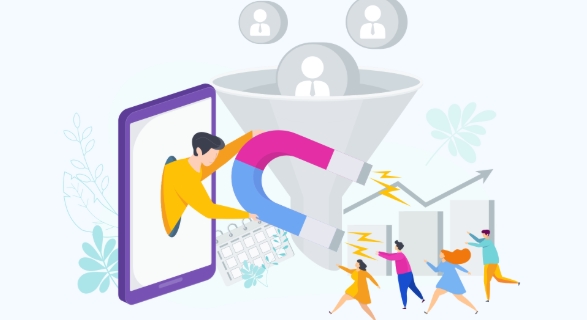
Lead generation is the foundation of a successful sales and marketing strategy. As consumer behavior and technology continue to evolve, businesses must adopt innovative approaches to attract qualified prospects and convert them into loyal customers. In 2026, effective lead generation focuses on delivering value, personalization, and seamless customer experiences.
One of the most powerful lead generation strategies is content marketing. Businesses that create informative blogs, eBooks, guides, videos, and case studies can attract potential customers by addressing their needs and providing valuable insights. High-quality content helps build trust and positions a brand as an industry authority.
Search Engine Optimization (SEO) remains a crucial source of organic leads. Optimizing websites for relevant keywords, improving page speed, and creating valuable content helps businesses rank higher in search engine results and attract targeted traffic.
Personalization is becoming increasingly important in lead generation. Customers expect tailored experiences, and businesses that use customer data to deliver personalized content, recommendations, and offers are more likely to capture attention and increase engagement.
Social media marketing continues to be a valuable lead generation channel. Platforms such as LinkedIn, Facebook, Instagram, and X allow businesses to reach specific audiences, share engaging content, and drive users toward landing pages and lead capture forms.
Marketing automation tools are helping businesses streamline lead generation efforts. Automated email campaigns, lead nurturing workflows, and customer segmentation allow companies to engage prospects efficiently while saving time and resources.
Webinars and virtual events are also gaining popularity as lead generation tools. These interactive sessions provide opportunities to educate audiences, showcase expertise, and collect valuable contact information from interested participants.
Artificial Intelligence (AI) is transforming lead generation by helping businesses analyze customer behavior, identify high-potential prospects, and optimize marketing campaigns. AI-powered chatbots can engage website visitors instantly, answer questions, and capture lead information around the clock.
Landing page optimization remains essential for converting visitors into leads. Businesses should create clear, focused landing pages with compelling calls-to-action, user-friendly forms, and valuable offers that encourage users to take the next step.
Referral programs and customer advocacy initiatives can also generate high-quality leads. Satisfied customers often become valuable brand ambassadors who recommend products or services to their networks, increasing trust and conversion rates.
Measuring performance is critical for successful lead generation. Businesses should track key metrics such as conversion rates, cost per lead, website traffic, and engagement levels to identify what works best and continuously improve their strategies.
In conclusion, lead generation in 2026 is driven by personalization, technology, content quality, and customer engagement. Businesses that embrace modern lead generation strategies can attract qualified prospects, improve conversions, and achieve sustainable growth in an increasingly competitive marketplace.







Share This News