
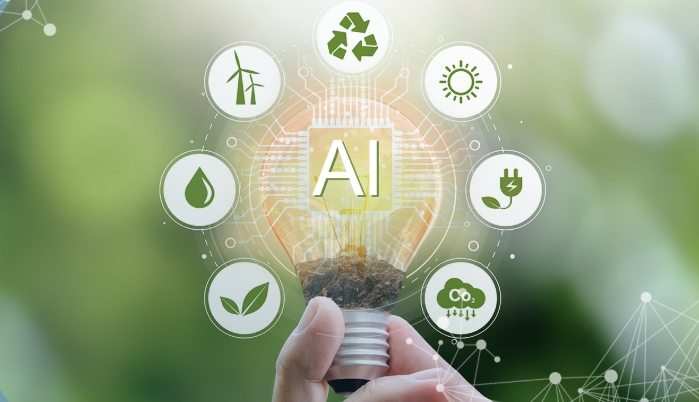
Green technology, also known as environmental or clean technology, refers to the use of innovative solutions that minimize environmental impact while promoting sustainable development. As concerns about climate change, pollution, and resource depletion continue to grow, businesses and governments are increasingly investing in green technologies to create a healthier and more sustainable world.
One of the most significant areas of green technology is renewable energy. Solar, wind, hydroelectric, and geothermal energy sources provide clean alternatives to fossil fuels, reducing greenhouse gas emissions and supporting long-term energy sustainability. Advances in renewable energy technologies have also made them more affordable and efficient.
Energy-efficient buildings are another major innovation. Smart lighting systems, energy-efficient appliances, improved insulation, and intelligent climate control systems help reduce electricity consumption while lowering operating costs for homes and businesses.
Electric vehicles (EVs) are transforming the transportation industry by reducing dependence on fossil fuels and lowering carbon emissions. Improvements in battery technology, charging infrastructure, and vehicle performance are accelerating the adoption of sustainable transportation worldwide.
Green technology also plays a vital role in waste management and recycling. Advanced recycling methods, waste-to-energy systems, and biodegradable materials help reduce landfill waste while promoting responsible resource management and environmental conservation.
Water conservation technologies are becoming increasingly important as global water demand rises. Smart irrigation systems, water recycling facilities, rainwater harvesting, and efficient water treatment technologies help preserve valuable water resources for future generations.
Artificial Intelligence (AI) and the Internet of Things (IoT) are contributing to sustainability by optimizing energy usage, monitoring environmental conditions, and improving resource management. Smart sensors and connected devices help businesses reduce waste and improve operational efficiency.
Agriculture is also benefiting from green technology through precision farming techniques. Farmers use drones, sensors, AI-powered analytics, and automated irrigation systems to optimize crop production while minimizing water usage, fertilizer consumption, and environmental impact.
Businesses are adopting sustainable manufacturing practices by using eco-friendly materials, reducing emissions, and improving production efficiency. Green supply chain management helps organizations minimize waste and lower their overall environmental footprint.
Despite its many benefits, implementing green technology may require significant initial investment and infrastructure upgrades. However, the long-term advantages—including lower operating costs, regulatory compliance, improved environmental protection, and enhanced corporate reputation—often outweigh these challenges.
As technology continues to evolve, green innovations will play an increasingly important role in addressing global environmental challenges. Continued investment in sustainable technologies will help create cleaner cities, healthier ecosystems, and a more resilient global economy.
In conclusion, green technology is driving sustainable innovation across industries by promoting cleaner energy, efficient resource management, and environmentally responsible practices. Organizations and individuals that embrace these technologies contribute to a more sustainable future while benefiting from improved efficiency and long-term economic growth.







Share This News